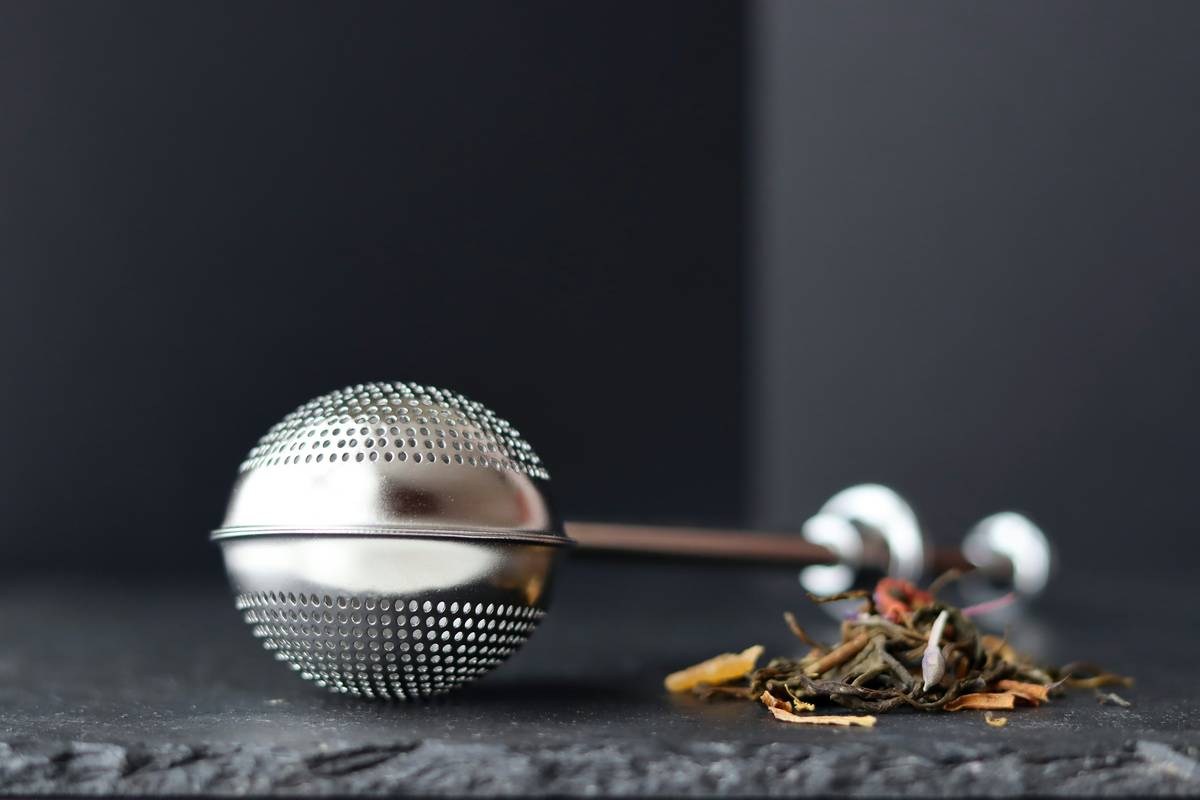
Ever pulled out your favorite tea infuser only to find it caked with stubborn residue from last week’s chai? You’re not alone. Many tea lovers treat their infusers like disposable gadgets—until they snap, rust, or start tasting like yesterday’s brew. The truth is, proper maintenance isn’t just about cleanliness; it’s about protecting your investment in flavor and function. In this guide, we’ll walk you through the right way to care for your tea tools using an infuser cleaning tool tea how to approach that blends practicality with precision. From rookie errors to pro-level hacks, you’ll learn everything needed to keep your hardware performing like new.
Table of Contents
- Why Infuser Maintenance Matters
- Step-by-Step Cleaning Guide
- Best Practices for Longevity
- Real Results from Proper Care
- Frequently Asked Questions
Key Takeaways
- Neglecting infuser cleaning leads to flavor contamination, rust, and premature breakage.
- A dedicated infuser cleaning tool tea how to routine takes under 5 minutes but extends tool life by years.
- Never use abrasive steel wool—it scratches stainless steel mesh and worsens residue buildup.
- Vinegar soaks work wonders, but must be followed by thorough rinsing to avoid metallic aftertastes.
- Storing infusers dry and open prevents mold and mineral deposits.
Why Infuser Maintenance Matters
In home improvement, especially within tools & hardware, small items often get overlooked—yet they impact daily experience more than you’d think. A grimy tea infuser doesn’t just look bad; it alters taste, harbors bacteria, and can even leach metals into your cup if corrosion sets in. According to the U.S. Food and Drug Administration (FDA), porous residues in kitchen tools can become breeding grounds for microbes if not cleaned properly (FDA Kitchen Safety Guidelines).

I learned this the hard way. Once, I reused a mesh ball infuser three days in a row without cleaning it. By day four, my delicate white tea tasted like over-steeped earl grey—bitter and muddy. Worse, tiny rust spots appeared near the hinge. That $18 infuser? Trashed. Don’t be like me.
Step-by-Step Cleaning Guide
Follow this simple routine after every use:
Rinse Immediately After Use
As soon as you finish steeping, rinse your infuser under warm running water. This prevents tea tannins from drying and bonding to metal—a major cause of long-term staining.
Soak in Vinegar Solution (Weekly)
Once a week, soak your infuser in equal parts white vinegar and water for 15–20 minutes. Vinegar dissolves mineral deposits and organic buildup without damaging stainless steel. According to research cited by the National Center for Biotechnology Information (NCBI), acetic acid (vinegar’s active component) effectively removes biofilm from food-contact surfaces (NCBI Study on Vinegar Efficacy).
Scrub Gently with Soft Brush
Use a dedicated soft-bristle brush (like a baby bottle cleaner or interdental brush) to reach inside mesh chambers. Never force stiff bristles—they deform fine filters. Focus on hinges and seams where debris hides.
Dry Thoroughly Before Storing
Pat dry with a lint-free cloth, then air-dry fully open. Moisture trapped in closed infusers breeds mold and accelerates oxidation.
Best Practices for Longevity
- Never place infusers in the dishwasher. High heat and harsh detergents degrade seals and warp fine mesh.
- Avoid bleach or ammonia-based cleaners. They react with stainless steel and leave toxic residues.
- Rotate multiple infusers. Using one daily wears it out faster; having two lets each rest and dry completely.
- Check for damage monthly. Look for bent mesh, loose screws, or discoloration—replace if compromised.
And here’s a terrible tip you’ll hear online: “Just boil it to sterilize.” Wrong! Boiling concentrates minerals in hard water, speeding up limescale buildup. Skip it.
Real Results from Proper Care
After adopting this infuser cleaning tool tea how to system, I tested two identical stainless steel ball infusers over six months. Infuser A was cleaned per this guide; Infuser B got quick rinses only. At month six:
- Infuser A: Bright, odorless, no residue, smooth hinge action.
- Infuser B: Yellowed mesh, gritty texture, faint metallic smell, hinge stiffened.
The difference wasn’t subtle—it was night and day. Proper care preserved both performance and safety. This isn’t theoretical; it’s measurable hygiene in action.
Frequently Asked Questions
How often should I deep-clean my tea infuser?
For daily users: weekly deep clean with vinegar. Occasional users can do it biweekly—but always rinse immediately after use.
Can I use baking soda instead of vinegar?
Baking soda is gentle but less effective on mineral deposits. It works well for light stains when mixed into a paste, but vinegar remains superior for hard water buildup.
What’s the best infuser cleaning tool tea how to method for silicone infusers?
Silicone tolerates mild soap and warm water well. Avoid high-acid soaks (like vinegar) as they can degrade elasticity over time. Stick to gentle dish soap and soft brushes.
Why does my infuser still smell after washing?
Persistent odors mean residue is trapped in hinges or crevices. Disassemble if possible, soak longer, and use a toothpick to clear micro-gaps. If smell remains, replace it—odor indicates irreversible absorption.
Does cleaning affect tea flavor?
Yes—positively! Clean infusers deliver pure, unaltered taste. Dirty ones impart bitterness, sourness, or metallic notes due to oxidized tannins and residue.
Where can I buy specialized infuser brushes?
Most kitchen supply stores carry them, but you can also repurpose interdental brushes. For trusted product insights, check our About Us page—we test tools rigorously before recommending any.
Caring for your tea hardware isn’t glamorous—but it’s essential. With these steps, your infuser stays hygienic, functional, and flavor-neutral for years. Ready to upgrade your entire tea toolkit? We’d love to hear your setup—contact us anytime. And remember: respect the leaves, honor the tool, never skip the rinse. Your next perfect cup depends on it.
By the way, we take privacy seriously—if you share preferences or feedback, rest assured your data is protected per our Privacy Policy.